Andrew Wyeth
christinas_world_1948.jpg
“I’m not at all interested in painting the object just as it is in nature. Certainly I’m much more interested in the mood of a thing than the truth of a thing.”
Andrew Wyeth was born on July 12, 1917, in Chadds Ford, Pennsylvania, into one of America’s most prominent artistic families. The son of celebrated illustrator N.C. Wyeth, he grew up surrounded by painting, drawing, literature, and storytelling. His father became his principal teacher, providing him with rigorous artistic training while encouraging the close observation that would become central to his work. Rather than following his father into illustration, however, Wyeth gradually developed a quieter and more personal form of realism, one concerned less with dramatic events than with the emotional possibilities hidden within ordinary places and people.
For more than seven decades, Wyeth returned repeatedly to a remarkably small world. The fields, barns, houses, rooms, and people surrounding his homes in Pennsylvania and Maine provided much of his subject matter. Working primarily in watercolor and the painstaking medium of egg tempera, he developed a restrained palette of browns, greys, ochres, and muted greens that reflected the landscapes he knew intimately. Paintings such as Christina’s World (1948), Wind from the Sea (1947), and Winter Fields (1942) demonstrate his ability to transform seemingly uneventful scenes into images filled with atmosphere, solitude, tension, and mystery.
Wyeth pursued this intensely representational approach during a period when much of the American art world was turning toward abstraction, and his work consequently divided critics. Some regarded his paintings as nostalgic or sentimental, while others recognized the extraordinary psychological intensity he could draw from commonplace subjects. Yet perhaps the enduring importance of Wyeth lies precisely in this refusal to search for significance only in the spectacular. He looked closely at familiar things, a window, an empty room, a weathered building, a winter field, a solitary person and found that sustained attention could reveal something extraordinary within them. It is this way of seeing, as much as his technical mastery, that makes Andrew Wyeth particularly interesting to anyone concerned with the making of images.
day_dream_1980.jpg


A DIALOGUE WITH AI
As part of my process of understanding Andrew Wyeth, I asked ChatGPT 10 questions I plan to ask of every artist I explore. Here’s what I learned.
Me: What core themes or emotional truths define this artist’s work?
ChatGPT: Mortality, memory, longing, vulnerability and the passage of time. Wyeth repeatedly depicts things that feel weathered, exposed or disappearing. Beneath the realism is a strong awareness that people, places and moments are temporary.
Me: How has their style evolved over time?
ChatGPT: His early watercolours were comparatively spontaneous, colourful and energetic. As he matured, particularly after the death of his father in 1945, his work became more austere and psychologically intense. Egg tempera encouraged slower, highly controlled surfaces, although he continued using the freedom of watercolor throughout his career.
Me:. What personal or cultural influences shaped their work the most?
ChatGPT: His father, N.C. Wyeth, was probably the dominant early influence—teacher, artistic model and formidable personality. The landscapes and inhabitants of Chadds Ford, Pennsylvania, and Cushing, Maine became equally important. Artistically, Wyeth also admired earlier painters including Winslow Homer and Albrecht Dürer. His persistence with realism while American art moved toward abstraction helped define his position as something of an outsider within twentieth-century modernism.
Me: What sets them apart in their medium or genre?
ChatGPT: His peculiar combination of extreme observation and psychological ambiguity. Wyeth could render grass, skin, wood or fabric with astonishing specificity, yet the resulting image often raises more questions than it answers. His realism describes physical surfaces precisely while leaving their meaning unresolved.
Me: Which piece best represents their artistic voice?
ChatGPT: Christina's World (1948). Not merely because it's famous. Landscape, figure, distance, physical vulnerability and psychological ambiguity all coexist within an exceptionally spare composition. We understand exactly what we're looking at while remaining uncertain about what it means.
Me: Are there any contradictions or tensions in their work or public persona?
ChatGPT: Many. He was enormously popular with the public and commercially successful while frequently dismissed by influential critics. He appeared to be a conservative realist yet insisted he wasn't interested in simply reproducing nature. His restrained public persona also contrasts intriguingly with the obsessive secrecy surrounding the hundreds of works depicting Helga Testorf.
Me: What impact have they had on other artists or culture at large?
ChatGPT: His cultural influence exceeds his straightforward stylistic influence. Christina's World became an American cultural icon, while Wyeth demonstrated that figurative and representational painting could retain enormous popular power during abstraction's ascendancy. His reputation also became central to the continuing argument over whether critical fashion and public response are reliable measures of artistic importance.
Me: What’s one underrated or overlooked work in their catalog?
ChatGPT: I'd nominate Winter 1946 (1946). A young man runs—or tumbles—down a barren hillside. Wyeth painted it shortly after his father's death near that landscape. Once you know the context, the strange instability of the figure and enormous empty hillside become deeply unsettling. It's an excellent example of Wyeth allowing landscape to carry psychological meaning.
Me: How does their work make you feel?
ChatGPT: Uneasy more than melancholy. There's often something slightly inaccessible about a Wyeth painting. The objects are recognizable, yet the situation remains unexplained. I find that tension compelling: visual clarity combined with emotional uncertainty.
Me: If you could ask them one question, what would it be?
ChatGPT: I'd ask: “How much did you deliberately manipulate what you saw to create the psychological effect of the finished painting?” That's what I'd most like to know because Wyeth's paintings masquerade so convincingly as observations of reality. I'd want to hear him describe precisely where observation ended and invention began.
Source: ChatGPT
pentecost_1989.jpg
REFLECTIONS
Lorem ipsum dolor sit amet, consectetur adipiscing elit. Phasellus ut tortor sed eros fringilla eleifend a ac tortor. Fusce semper suscipit elit vel maximus. Sed fermentum blandit neque, ac fringilla nulla tempus id. Nullam sit amet neque ligula. Quisque accumsan eu nisi vel placerat. Nam aliquet venenatis lacus, ac viverra massa faucibus eget. Orci varius natoque penatibus et magnis dis parturient montes, nascetur ridiculus mus. Mauris non enim elit. Aliquam molestie auctor mi, sit amet accumsan risus facilisis ultricies. Vivamus non neque fermentum, laoreet dui id, scelerisque urna. Fusce vitae massa quis ligula varius viverra. Nunc semper nisl in eros pellentesque volutpat. Duis ultrices lobortis mauris, sit amet interdum tellus porta et. Sed faucibus nisi sit amet enim lacinia, quis aliquam lorem hendrerit.
More to come.
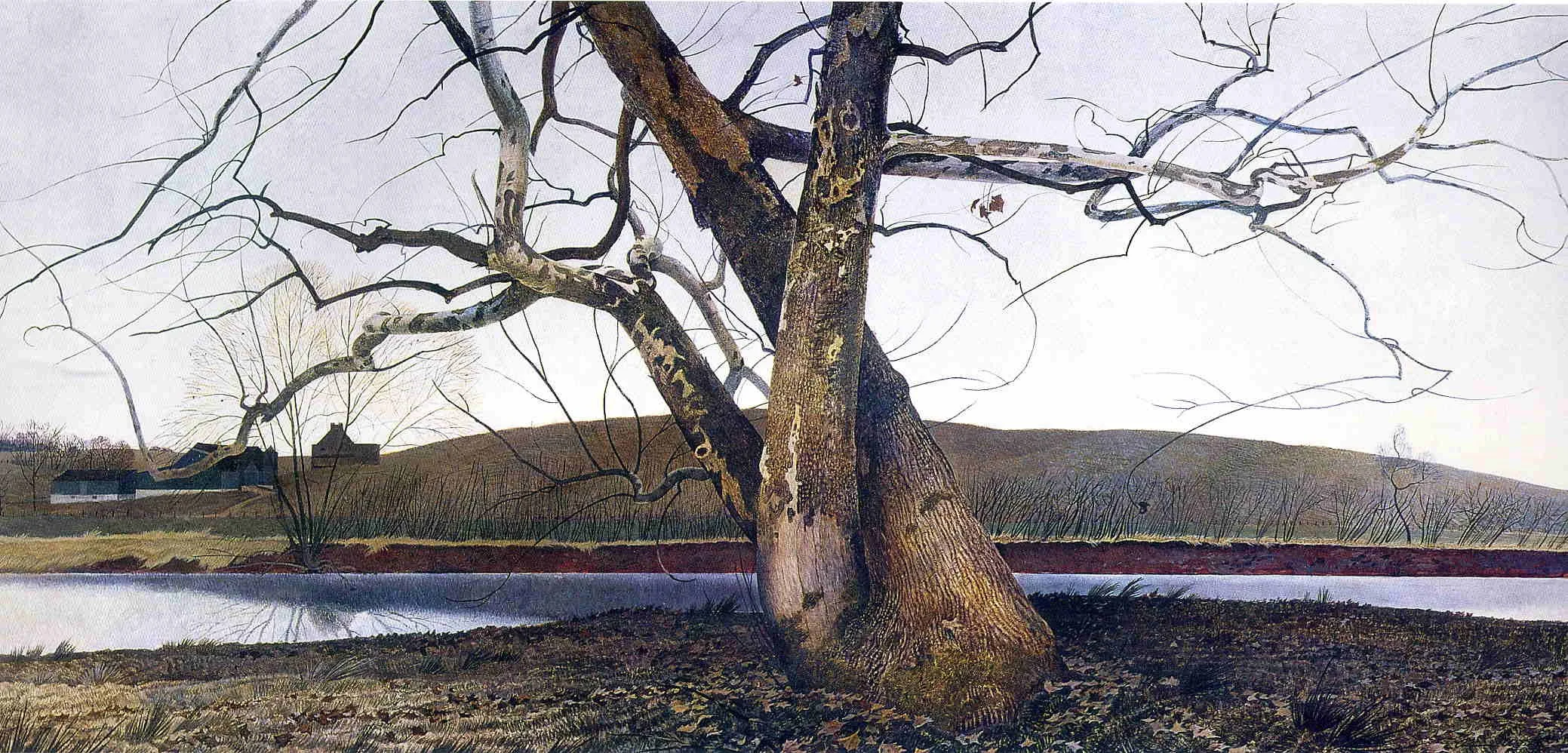
dil_huey_farm_1941.jpg


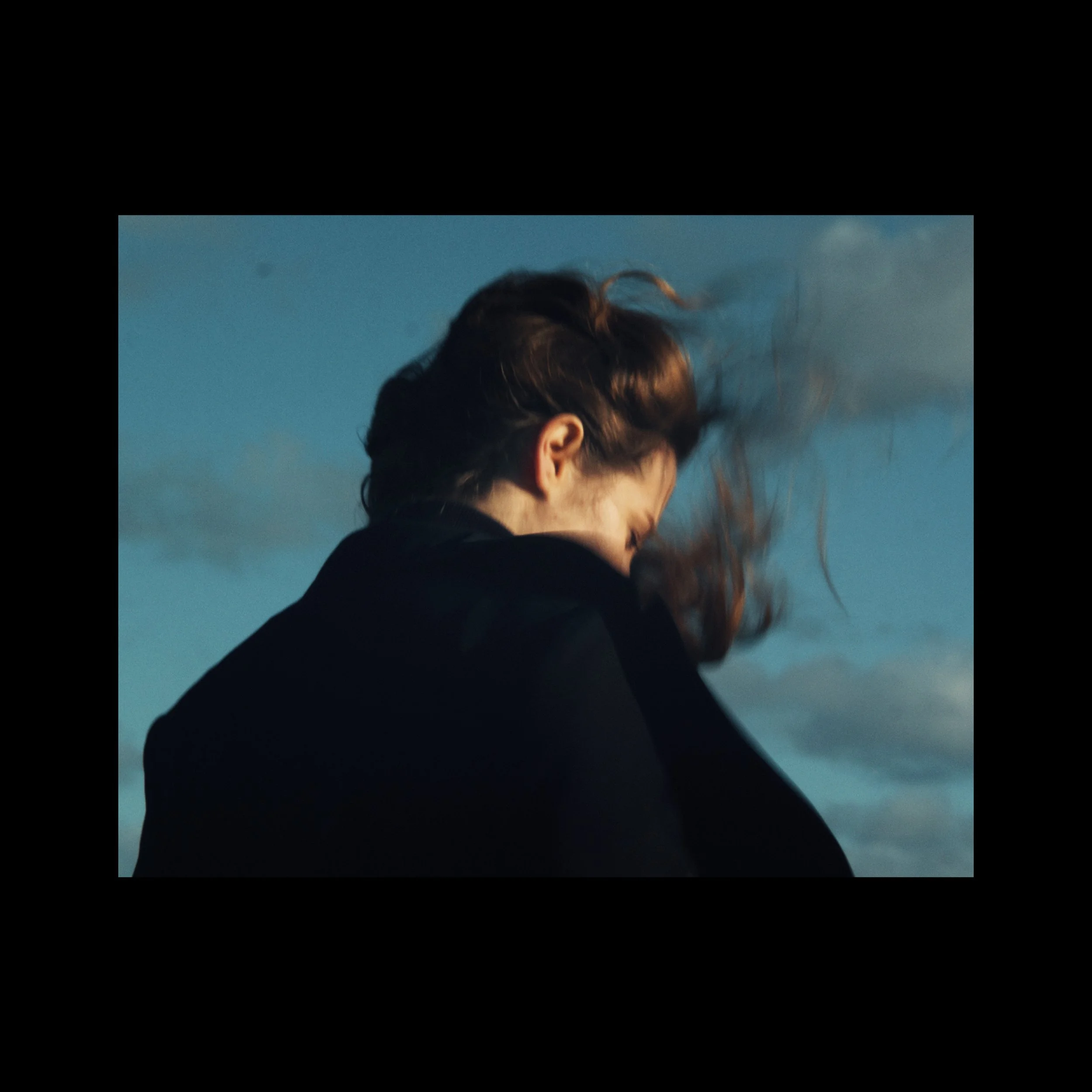
My Rating: 8/10

My Rating: 7/10
p.s.
A histogram is a graph that measures the brightness of an image by representing the frequency of each tone as a value on a bar chart. The horizontal axis moves from pure black on the left side of the histogram, through shadows, midtones, and highlights all the way to the brightest white on the right side. The vertical axis represents the frequency, or intensity, of each tone, with peaks for high frequency and valleys for low.